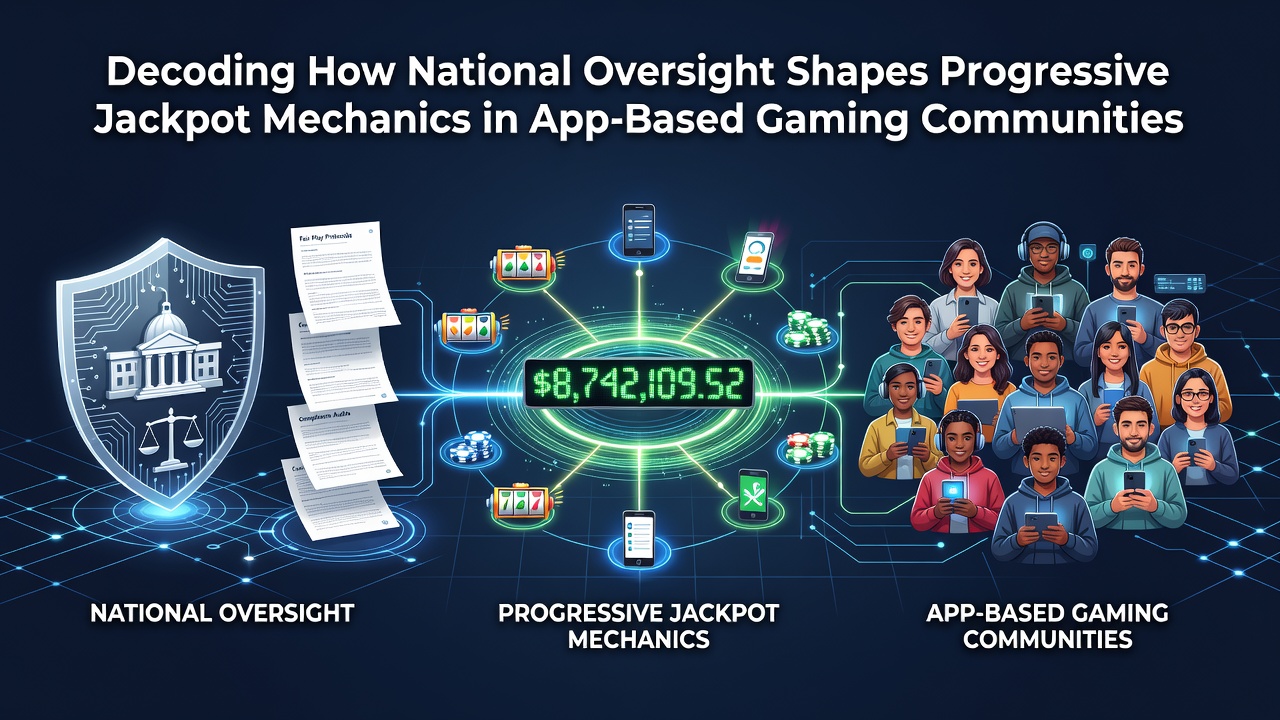
Decoding How National Oversight Shapes Progressive Jackpot Mechanics in App-Based Gaming Communities
National oversight plays a central role in determining how progressive jackpots accumulate and distribute within app-based gaming communities, with rules on contribution rates, pool management, and payout triggers varying by jurisdiction. Regulators establish these parameters to maintain fairness and prevent manipulation, while developers must adapt their systems to comply with local statutes that often dictate minimum seed amounts and maximum contribution percentages from each wager.
Core Mechanics Under Regulatory Scrutiny
Progressive jackpots in mobile applications rely on a shared pool that grows with player contributions, yet national frameworks directly influence the percentage skimmed from bets, the geographic scope of pooling, and the technical safeguards required to verify random outcomes. In regions where oversight emphasizes strict auditing, operators integrate certified random number generators that undergo periodic testing by approved laboratories, and this process ensures the jackpot trigger remains independent of player volume or external interference.
Observers note that contribution caps frequently range between one and three percent of each qualifying bet, though exact figures depend on the issuing authority, and these limits slow or accelerate jackpot growth depending on whether a jurisdiction permits cross-border aggregation or restricts pools to domestic players only. Developers therefore build modular backend systems capable of toggling contribution logic based on user location detected through IP and account data.
Regional Differences in Pooling and Payout Rules
Countries with mature gaming statutes tend to impose additional layers of player protection that affect jackpot visibility and eligibility windows. For instance, certain frameworks require real-time public disclosure of current pool sizes within apps, while others mandate cooling-off periods before large wins can be claimed, and these stipulations force app interfaces to display supplementary timers and verification prompts. Data from regulatory filings shows that jurisdictions allowing multi-state or multi-province pooling achieve faster accumulation rates, yet they simultaneously demand robust anti-money-laundering checks at payout thresholds to mitigate risks associated with larger sums.
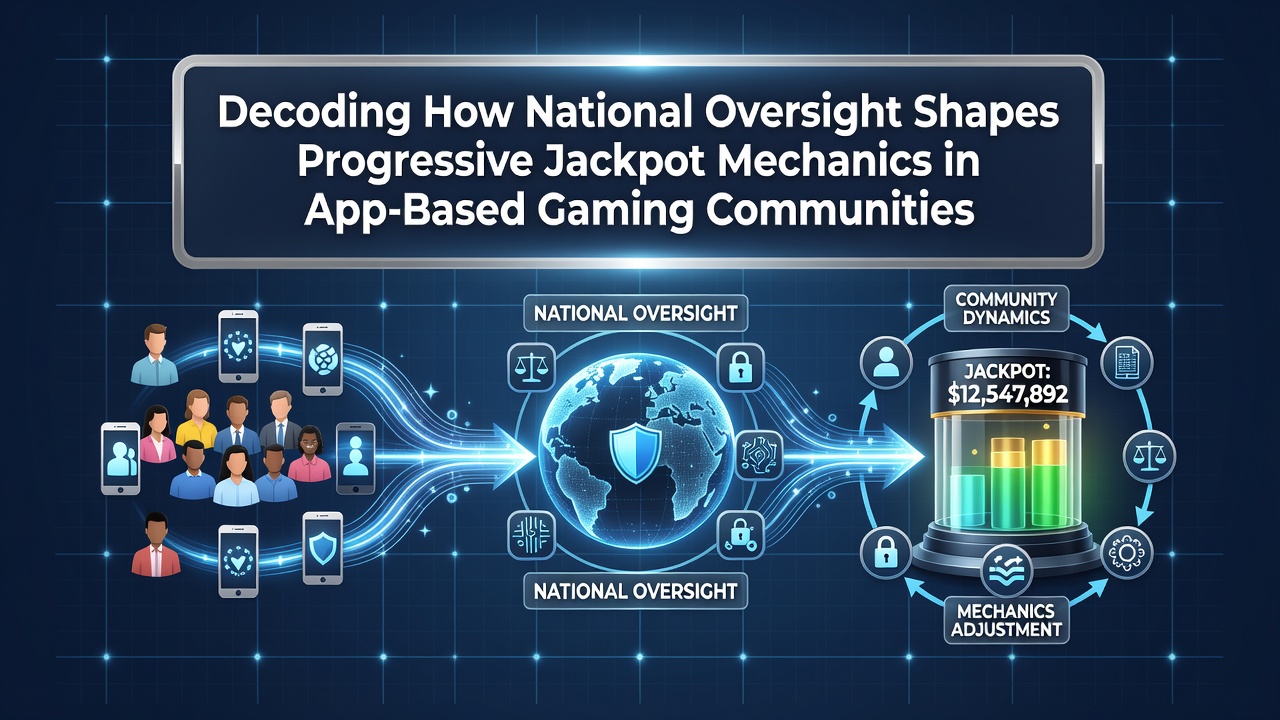
Researchers examining app telemetry from multiple markets have documented how seed funding requirements alter early-stage dynamics, with some authorities insisting on operator-funded minimums that range from several thousand to tens of thousands of currency units, and these baselines guarantee immediate attractiveness even when player numbers remain low. Compliance teams therefore maintain separate ledger entries for regulatory seeds versus player contributions to satisfy audit trails during routine inspections.
Technical Adaptations Driven by Oversight
App developers respond to these national directives by embedding geofencing protocols that segment jackpot pools according to user residency, and such segmentation prevents inadvertent violations when players travel across borders. In October 2026, updates to certain licensing conditions further clarified reporting intervals for jackpot resets, requiring operators to submit automated logs within twenty-four hours of any trigger event, and this timeline has prompted integration of cloud-based monitoring dashboards that stream data directly to oversight portals.
Industry reports from the Nevada Gaming Control Board highlight how certified testing standards now extend to mobile-specific variables such as network latency and session persistence, ensuring that interrupted connections do not alter jackpot eligibility or contribution accuracy. Parallel examinations by the Australian Communications and Media Authority have focused on consumer disclosure rules that compel apps to explain contribution mechanics in plain language before any wager is placed, and these transparency mandates have led to standardized tooltip libraries shared across multiple development studios.
Future Trajectories for Cross-Border Mechanics
As more jurisdictions refine their statutes, the trend toward standardized application programming interfaces for jackpot tracking continues to gain traction, allowing operators to maintain single codebases while routing contributions through jurisdiction-specific modules. Academic analyses of transaction datasets indicate that jurisdictions with higher contribution caps experience proportionally larger average jackpots, yet they also record elevated frequencies of regulatory audits to confirm that funds remain segregated from operational accounts.
Conclusion
National oversight ultimately determines the operational boundaries within which progressive jackpot systems function in app-based environments, shaping everything from contribution percentages and seed amounts to disclosure requirements and audit frequencies. Developers and operators continue to refine their architectures in response to evolving statutes, and these adaptations ensure that jackpot mechanics remain both compliant and engaging across diverse regulatory landscapes.