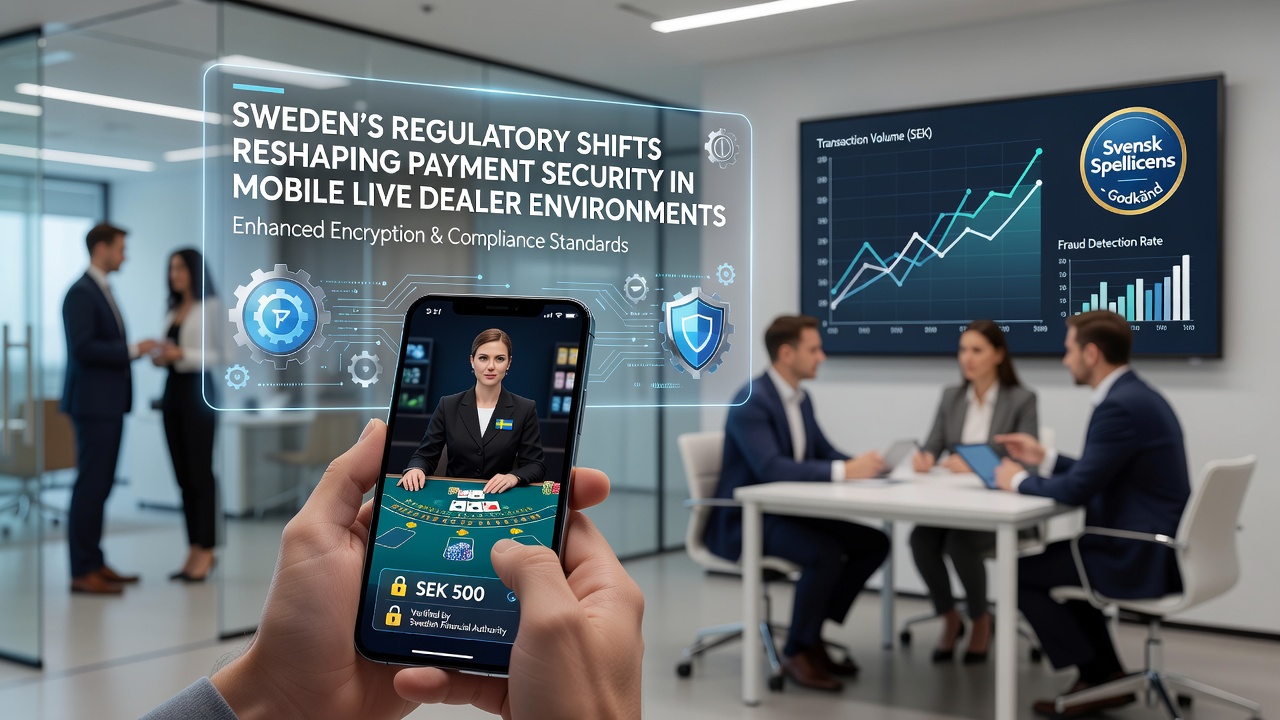
Sweden's Regulatory Shifts Reshaping Payment Security in Mobile Live Dealer Environments
Sweden's gambling authority has rolled out successive updates to its licensing conditions since the 2019 market re-regulation, and these adjustments now target payment security protocols specifically within mobile live dealer platforms. Operators must integrate multi-layered verification steps that align with broader EU financial directives, yet they also face domestic requirements that emphasize real-time transaction monitoring and data encryption standards. Data from Spelinspektionen shows an increase in licensed platforms adopting tokenization techniques for card and e-wallet transfers during live sessions, and this trend accelerated after the authority published revised guidelines on digital payment flows in 2024.
Key Changes in Licensing Conditions
Updated license terms now mandate that all payment gateways used in mobile live dealer environments undergo annual third-party audits, and these audits must cover both static security features and dynamic risk scoring algorithms. Platforms that fail to demonstrate compliance risk suspension of their Swedish market access, while those that meet the benchmarks receive extended renewal periods. Observers note that live dealer operators have shifted toward biometric authentication paired with device fingerprinting, and this combination reduces unauthorized access attempts without disrupting the continuous video streams that define the product format. Figures released by the authority indicate that reported payment disputes dropped by 18 percent in the first half of 2025 after several major operators completed the new audit cycle.
Impact on Mobile Transaction Flows
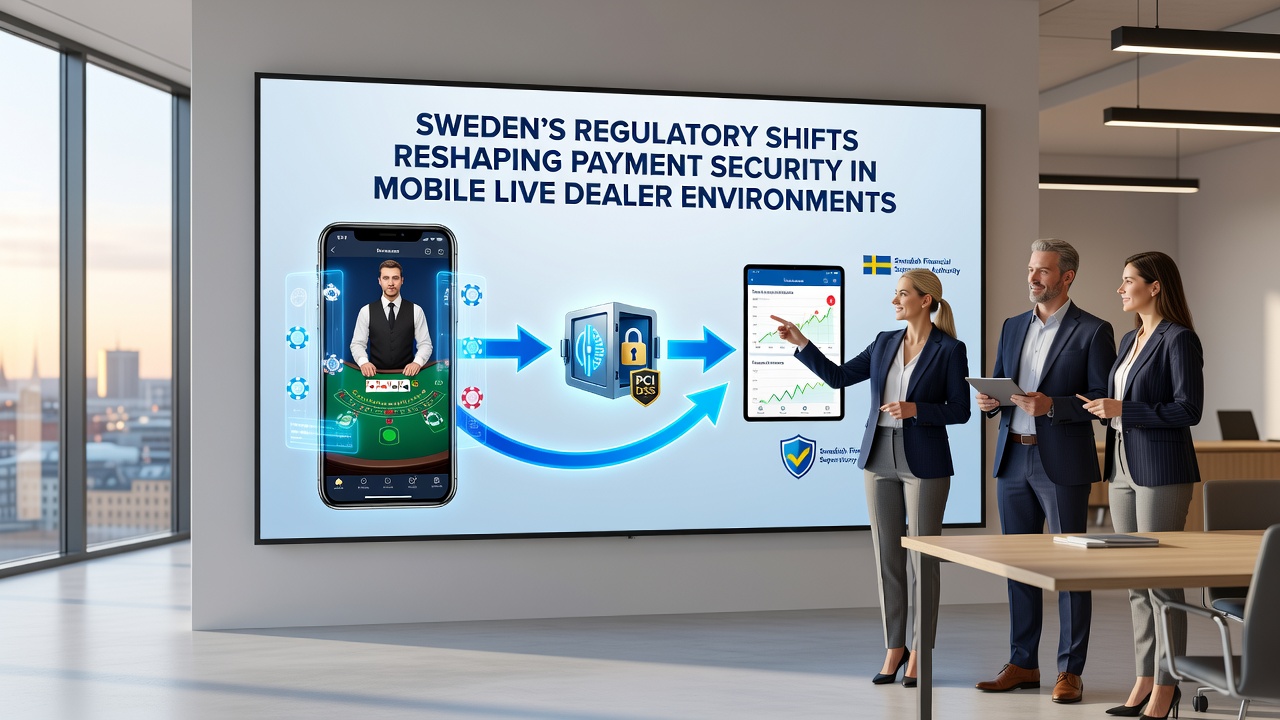
Mobile live dealer environments process payments through dedicated in-app modules that must now isolate transaction data from the game server itself, and this separation prevents potential cross-contamination during high-volume periods such as tournament finals. Regulators require end-to-end encryption that exceeds minimum EU standards, and operators have responded by adopting quantum-resistant algorithms ahead of schedule. One study from a Nordic research consortium tracked session data across 12 licensed apps and found that average transaction completion times remained under four seconds despite the added security layers, showing that performance and compliance can coexist when architectures are designed from the outset with both priorities in mind. As of October 2026, further requirements on multi-factor confirmation for deposits above a set threshold will become mandatory across all mobile live dealer titles.
Technical Standards and Operator Responses
Technical specifications now include mandatory use of tokenized account numbers for recurring transfers, and these tokens replace actual card details within the operator's database. This approach limits exposure in the event of a breach and satisfies both Swedish and EU expectations for data minimization. Industry reports compiled by the European Gaming Association highlight that Swedish licensees lead the region in implementing these token systems, and several operators have extended the same frameworks to their international live dealer products. Payment service providers must supply detailed logs of every authorization attempt, and regulators review these logs during routine inspections to verify that anomaly detection tools flag suspicious patterns before funds move.
Player Verification and Ongoing Monitoring
Continuous identity verification forms another pillar of the updated rules, and players must re-confirm select details at random intervals during extended sessions rather than only at login. This measure addresses concerns about account sharing in live dealer environments where real-time interaction occurs. Research conducted by academic teams at Stockholm University examined anonymized transaction records and identified that staggered verification reduced instances of suspected third-party account use by 27 percent over a twelve-month period. Operators have integrated these checks into the same interface that displays dealer tables, and the process remains transparent to users through clear on-screen prompts that explain the security purpose without interrupting gameplay flow.
Conclusion
Sweden's evolving regulatory landscape continues to set benchmarks for payment security in mobile live dealer environments, and operators adapt by embedding advanced encryption, tokenization, and verification layers directly into their platforms. The October 2026 deadline for enhanced confirmation thresholds marks the next milestone in this ongoing process. Data from government and independent sources show measurable reductions in disputes and unauthorized activity, and these outcomes reflect the combined effect of licensing conditions and technical standards applied across the sector.