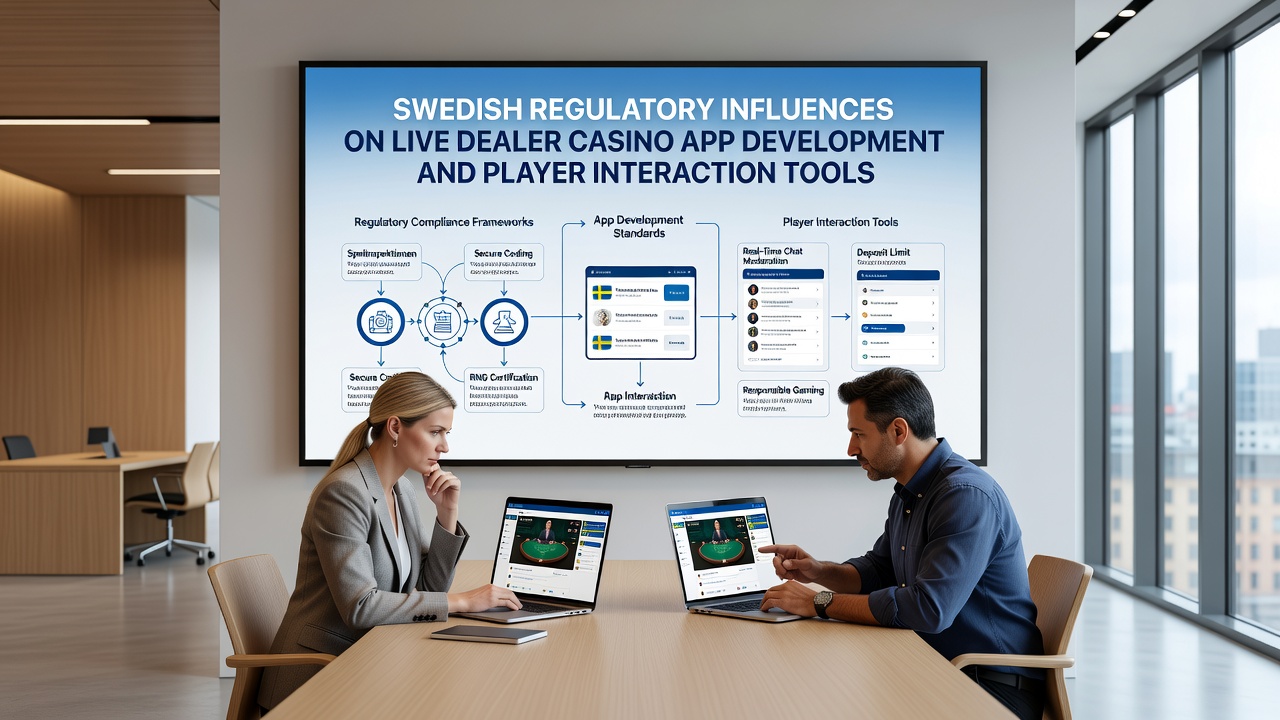
Swedish Regulatory Influences on Live Dealer Casino App Development and Player Interaction Tools
Swedish gambling regulations continue to shape live dealer casino app development through strict licensing requirements enforced by teh national authority, and developers must integrate compliance features from the initial coding stages onward. These rules cover everything from software certification to real-time data handling, while player interaction tools face particular scrutiny because they involve direct communication channels between dealers and users during streamed sessions.
Core Licensing Standards for App Architecture
Developers building live dealer platforms for the Swedish market must obtain certification through Spelinspektionen before launch, and this process demands detailed documentation of every module that handles video streams or betting interfaces. Applications undergo testing for randomness in card shuffles along with encryption standards that protect transaction logs, yet the authority also requires built-in mechanisms that pause play automatically when spending limits trigger. Such mandates push teams to design modular code structures that allow quick updates whenever guidelines shift, and companies often collaborate with approved testing labs located across Europe to verify compliance before submission.
Player Interaction Tool Requirements
Chat functions and tip features within live dealer apps fall under content moderation rules that prohibit certain language while recording all exchanges for potential review, and these systems must include age verification prompts that appear before any real-money engagement begins. Developers incorporate AI-assisted filters that flag suspicious patterns during dealer-player exchanges, and regulators expect detailed reports on how these tools operate during peak hours. Data from industry reports shows that platforms incorporating mandatory cool-down timers after extended sessions see measurable drops in prolonged play, and observers note similar patterns in markets outside Sweden where comparable safeguards appear.
Technical Adaptations in App Development Cycles
Live dealer applications require separate pathways for Swedish users that enforce geo-blocking and currency conversion in line with local banking rules, while backend servers store interaction data within approved jurisdictions for audit purposes. Teams working on these projects integrate API endpoints that connect directly to the national self-exclusion registry, and updates to this system scheduled for September 2026 will introduce new fields for tracking voluntary deposit caps across multiple operators. This upcoming change means developers are already adjusting database schemas to accommodate expanded user profiles without disrupting live streams. According to figures from the Swedish Gambling Authority, licensed operators reported over 1.2 million active self-exclusion records in the previous year, and this volume influences how interaction tools prioritize quick access to support resources during gameplay.
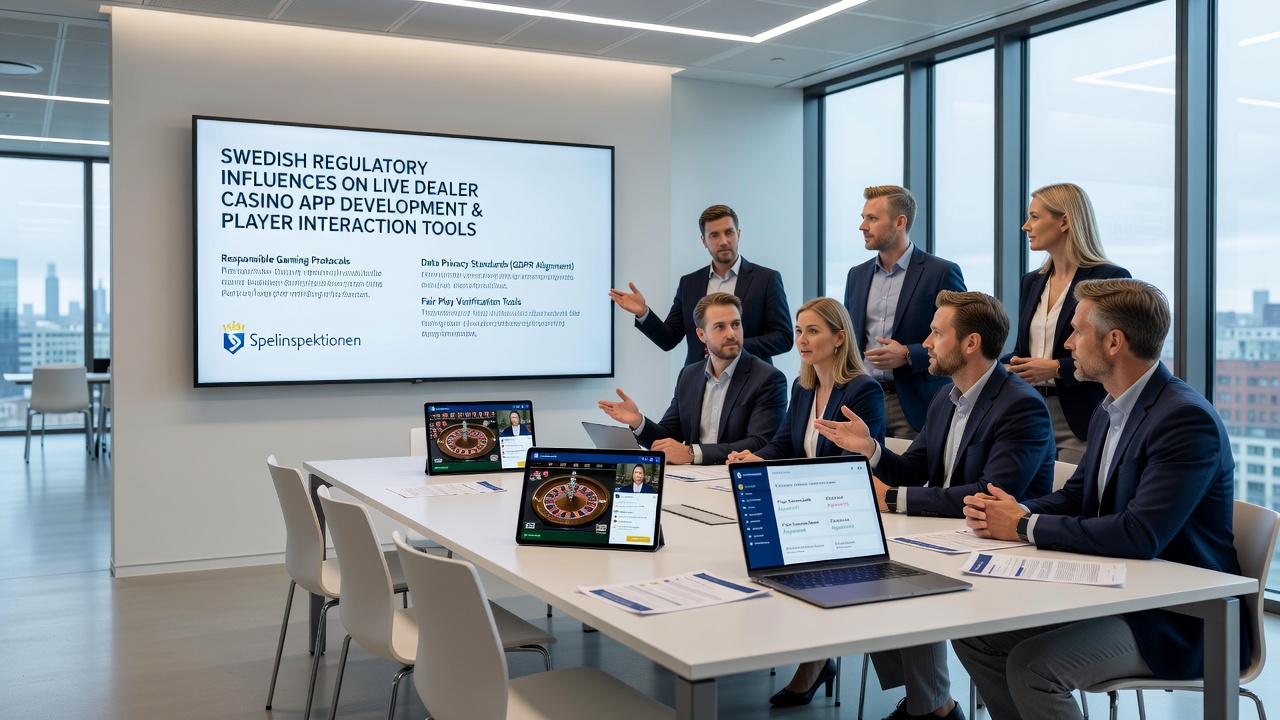
Additional layers appear in the handling of dealer broadcasts because regulations specify that camera angles and audio must avoid any promotional content that could encourage excessive betting, and developers respond by embedding overlay controls that let users adjust visibility settings on the fly. Research from the European Gaming and Betting Association indicates that standardized reporting formats across member states help streamline audits for cross-border operators, and Swedish rules align with several of these formats while adding stricter requirements around session duration tracking.
Impact on Responsible Gaming Integrations
Interaction tools must display real-time balance updates alongside risk warnings that activate after set thresholds, and these alerts appear in both pop-up and persistent sidebar formats to maintain visibility without interrupting the dealer feed. Teams test these elements across different device types because mobile users represent the majority of live dealer traffic under current Swedish license data. A study published through the Canadian Centre for Gaming Research found that platforms with integrated limit-setting tools retained users at higher rates than those relying solely on external links, and similar observations appear in Swedish operator filings where voluntary limit adoption exceeds 40 percent among registered accounts.
Future Compliance Considerations
Changes planned for September 2026 will expand data-sharing protocols between licensed operators and the central authority, which means app developers need to prepare for enhanced logging of every player-dealer exchange. This adjustment affects both storage capacity and encryption overhead, yet it also provides clearer pathways for resolving disputes that arise from misinterpreted chat messages. Industry groups such as the World Lottery Association have published guidelines on best practices for real-time moderation that several Swedish licensees now reference during internal reviews.
Conclusion
Swedish regulations continue to drive specific design choices in live dealer casino apps, particularly around player interaction tools that must balance engagement with mandatory safeguards. Developers respond by embedding compliance features early in the process, and upcoming updates in September 2026 will further refine how data flows between platforms and oversight bodies. These frameworks establish clear technical benchmarks that shape everything from chat moderation to session controls while supporting consistent operation across the licensed market.